
Shopify Theme Development in Noida (2026)
Noida sells in two directions at once. A brand with a counter in Sector 18 is judged against the showroom the shopper visited an hour earlier, while the same catalogue is bought from a phone in Sector 62 or 63 by someone who never handles the product. A Shopify theme has to carry both without becoming two websites. The work starts with the merchandising: which collections deserve a page of their own, which product facts settle a question before it turns into a support call, and which blocks the marketing team will edit during a campaign week. Sector 18 footfall, the D2C offices in Sector 62 and 63, and the newer residential sectors each ask the template for something slightly different.
Budgets below are Indian market estimates for 2026, excluding GST, Shopify subscription, apps and paid photography.
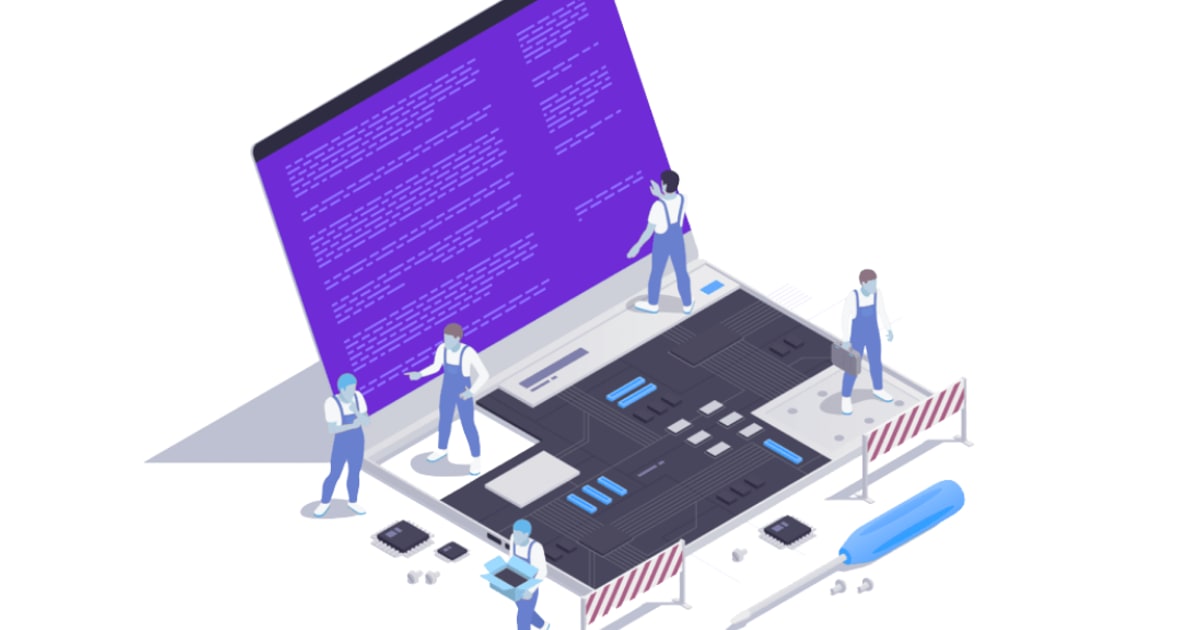
Merchandising first
Sections and metafields that keep a Sector 18 showroom and a D2C catalogue telling the same story.
Scope and indicative budget
The bands below are the same as the national Shopify page. For Noida they assume one store serving a showroom and a direct online catalogue.
| Scope | What is included | Indicative range |
|---|---|---|
| Single template set | Home, collection, product, cart, static pages, one app integration | Rs 14,999 - Rs 49,999 |
| Merchandised storefront | Landing sections, metafield content, search, filters, two or three apps | Rs 50,000 - Rs 1,49,999 |
| Multi-market store | Locale and currency variants, translated sections, regional shipping logic | Rs 1,50,000 - Rs 3,20,000 |
| Shopify Plus surface | Checkout extensibility, B2B catalogues, scripts replacement, launch support | Rs 4,50,000 - Rs 6,00,000 |
A Noida build is priced by templates and states rather than by page count. GST, the Shopify subscription, app fees and product photography sit outside these figures and are billed by their providers.
How a Noida showroom and an online catalogue share one theme
A shopper who has handled a product in Sector 18 arrives at the storefront with a different question from one who found the brand through an ad. The first wants confirmation: the same finish, the same size, the same price, and a clear answer on whether the item can be collected. The second wants enough detail to trust a photograph.
Both can read from one set of metafields. Finish, material, warranty and care notes are entered once in the admin, then rendered on the product page, in collection filters and in a comparison table. The showroom team and the online team stop maintaining separate descriptions, which is usually where a Noida catalogue starts to drift.
Sector 18 also brings seasonal traffic that a template has to survive. A sale banner, a new collection and an event block should be sections the marketing team can switch on without a developer, each with a sensible limit on how many items it accepts and a fallback when an image is missing.
Sector 62 and 63 teams edit the store between campaigns
The D2C offices around Sector 62 and 63 rarely have a developer on the payroll. They have a marketing lead measured on the next campaign and a founder who approves the discount. A theme built for that team looks different from one built for an agency: section names match the words the team already uses, every block has a preview, and nothing on the home page can break because an image field was left empty.
We design the editor around the pages that change weekly: the home hero, a collection landing page, a campaign page with its own URL, and the announcement bar. Each gets a short set of settings rather than a free-form canvas. The constraint is deliberate, because a page that can become anything usually becomes inconsistent after the third campaign.
Apps belong to the same decision. Reviews, loyalty and chat all arrive with a block and a script, and the theme has to leave room for them without pushing the buy button below the fold on a phone.
What theme work costs for a Noida store
Budgets are the same as the national page because the template work is the same. A focused build for a small catalogue is quoted starting from Rs 14,999 and stays within Rs 14,999 - Rs 49,999. A merchandised storefront with landing sections, filters and two or three app integrations runs from Rs 50,000 to Rs 1,49,999. A multi-market store with translated sections and regional shipping rules sits between Rs 1,50,000 and Rs 3,20,000. A Plus-level surface with checkout extensibility and B2B catalogues is quoted from Rs 4,50,000 to Rs 6,00,000.
The band is decided by templates and states, not by the number of pages. A single product template that must handle variants, a size guide, a delivery check and a sold-out state is more work than six static pages that share one layout. That is why a Noida quotation lists templates before it lists screens.
GST, the Shopify subscription, app fees and photography sit outside these figures. They are billed by their providers and should be compared separately when two proposals look close.
Launch checks for a Noida storefront
Before go-live we run the store on the phones shoppers actually carry here: a mid-range Android on a congested network, with the real apps installed. The home, collection and product templates are timed, then the cart and a discount code are tested end to end. A theme that only behaves on office wifi is not finished.
The second check is content. Every template is opened with an empty collection, a single product and a sold-out variant. Sector 18 collection and delivery copy is read against what the operations team can actually promise, because a template that invents a delivery window creates support work from day one.
To scope a build, send the store address and the templates your team edits most to [email protected] or message WhatsApp. For a campaign deadline, call +91 78400 02466 on a weekday.
Questions about shopify theme development
What does Shopify theme development in Noida cost in 2026?
A small catalogue build starts from Rs 14,999 and sits inside the Rs 14,999 - Rs 49,999 band. Merchandising, landing sections and app integrations usually land between Rs 50,000 and Rs 1,49,999, while multi-market work and Plus-level checkout surfaces are quoted at Rs 1,50,000 - Rs 3,20,000 and Rs 4,50,000 - Rs 6,00,000.
Can a Sector 18 showroom and an online store use one Shopify theme?
Yes. The showroom and the online catalogue can read the same product metafields, so finish, size, warranty and price stay consistent. Store-specific blocks such as collection availability are handled as sections rather than as a second theme.
How long does a Noida theme project take?
A single template set takes four to six weeks, a merchandised storefront eight to ten, and a multi-market or Plus-level build twelve to fourteen. Product photography and copy usually decide the launch date, not the template work.
Do you work with D2C brands around Sector 62 and 63?
Yes. The work is scoped from the storefront outward: the templates, the apps that must appear inside them, and the pages the marketing team changes between campaigns. Meetings can run at your office or remotely.
Will the theme handle festive campaign pages?
Campaign pages are built from the same section library as the rest of the store, with a limit on items and a fallback for missing images. The team can publish a page without a developer, and the speed budget still applies.
How are size, finish and warranty details managed after launch?
They live in typed metafields, so the same value appears on the product page, in filters and in a comparison table. Your team edits the value in the Shopify admin and the theme renders it without a code change.
Can the store stay fast with reviews and chat apps installed?
That is what the speed budget is for. We test with the real apps on a throttled phone connection, then defer, move or remove whatever delays the first useful view. A theme measured without apps proves very little.
Do we need Shopify Plus for a Noida store?
No. A custom theme is supported on every Shopify plan. Plus becomes relevant when you need checkout extensibility, B2B catalogues or higher API limits, and those surfaces are scoped separately because they change the delivery work.
Who owns the theme code after launch?
You do. The theme repository, section map and metafield definitions are handed over, and the Shopify account, domain and apps stay in the brand's name with no licence fee from us.
What do you need to quote a Noida build?
The store address, the apps installed, the templates your team edits most, and one sample product with its real images and specifications. That is enough to separate an extension from a rebuild.
Next step
Send the store address, the apps you cannot remove and the templates your team edits most. We will say whether the current theme can be extended or should be replaced. Write to [email protected] or call 7840002466.
Related reading: Shopify theme development , theme development services , Noida service hub and Shopify theme development in Ghaziabad .